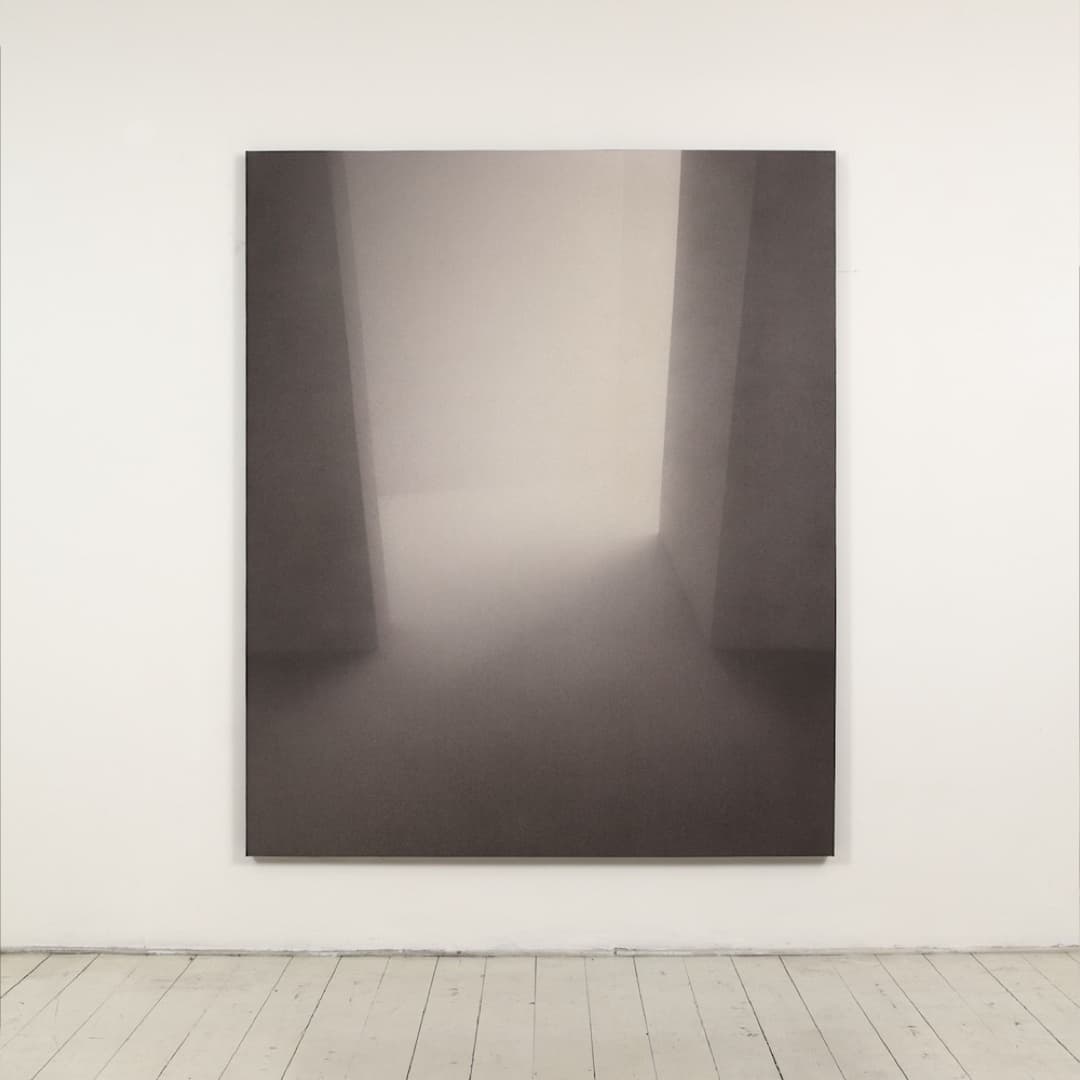
Marco Tirelli is an artist with a deep sense of what lies beyond. Both his education (set design) and his environment (Rome, Spoleto) laid the foundation for the construction of his poetic and subdued universe of repeated images, that dwells on the border of illusion and reality and delves in the maze of the memory. His practice consists of drawings and sculptures, studies as well as stand-alone works, and large-scale paintings of imaginative and recognisable geometric forms, trapped in arresting contrasts of light and darkness. The imaginary in his drawings, sculptures and large canvasses is rooted in sacred or commemorative architecture (archaeological sites, monuments, theatres), but stems from his imagination rather than from nature or actual objects. His mind distils and purifies these architectural elements into subdued, vibrating geometry that becomes an excuse to cross the border between light and shadow. By sublimating physical places in virtual places, he shapes an architectural transit space where nothing is taking place, just expectation and suspension. His goal is to elicit active sensorial and mental participation from the viewer. Tirelli’s body of work breathes an all-enveloping mysticism that was influenced by his studies in set design, the pitch-black Umbrian nights and the metaphysical art of De Chirico and Morandi. The artist has given us insight in his distillation process: small drawings and sculptures, both studies for his large canvases and stand-alone works, show the different stages in the modelling of his imaginative and eccentric universe.

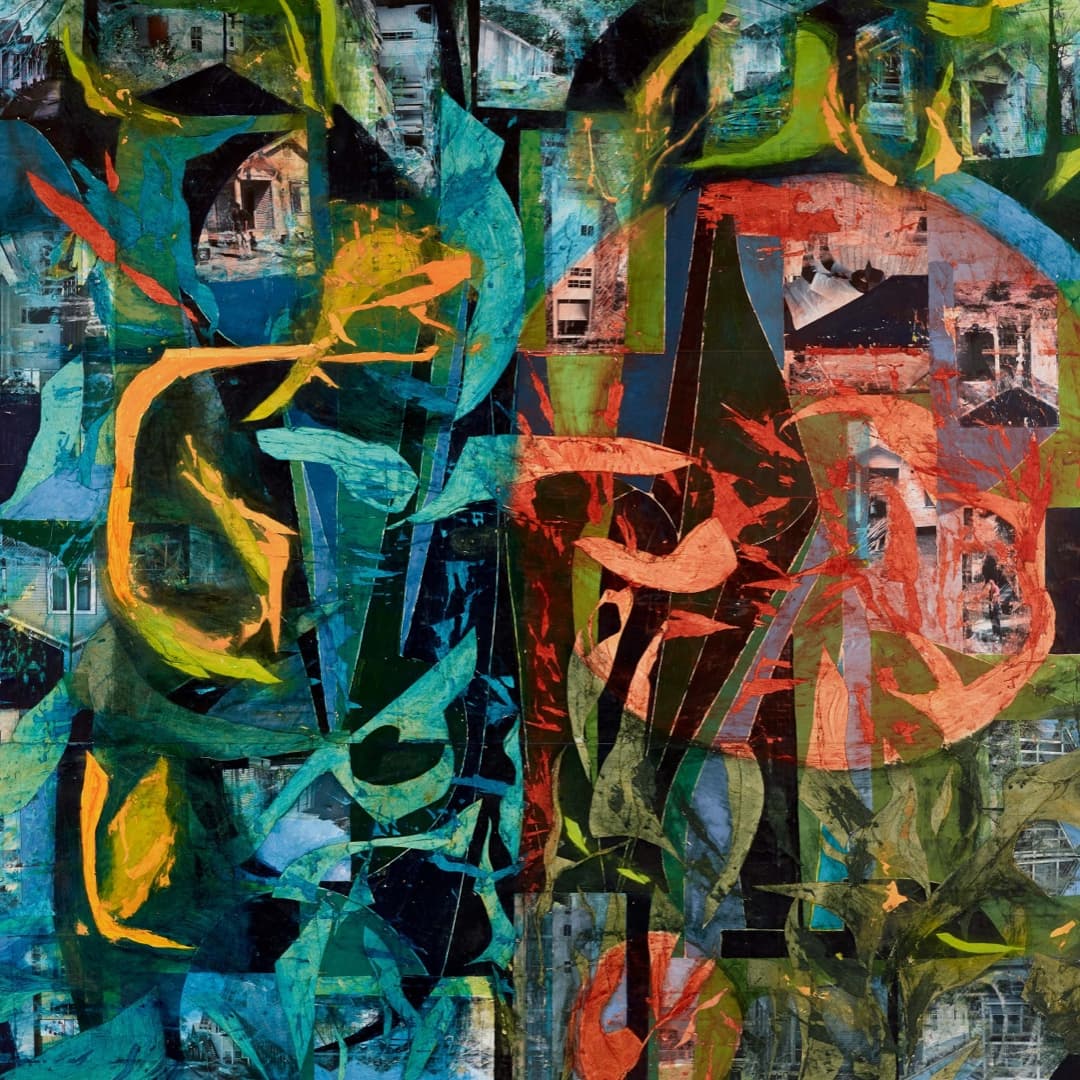
Born in rural Alabama, Rick Lowe is a distinguished artist whose remarkable achievements in the art world are mirrored by his championship of people and communities through social practice-based art projects, as evidenced, in particular, through Houston’s noteworthy Project Row Houses. Co-founded in 1993 by Lowe, Project Row Houses is an arts and cultural community located in Houston’s significant, historical Third Ward – one of the city’s oldest African American neighborhoods. Much of Lowe’s interest and adept skill with collaboration comes from his family upbringing, where he was surrounded by a large family of four brothers and seven sisters. This sense of familial community is closely mirrored in many of his projects that focus on building and nurturing relationships. Lowe, who attended Columbus College, Columbus, Georgia (1979-82) and Texas Southern University, Houston, Texas (1990-92) is recognized for his community engagement projects and philosophical approach of “social sculpture” that uses creativity as a catalyst for change and empowerment of people in economic, social and political realms. Lowe is also known for his visual artistic repertoire that includes abstract works on paper and paintings often depicting ariel views of domino games. He became fascinated by the shapes and patterns made by the game, especially seen when played with black dominoes on a white table. The artist eventually started taking photographs of the games, documenting the movements and paths created that resemble, in many ways, the maps made by urban planners of cities and interconnected neighborhood communities. Lowe traces the shapes after his games, eventually layering them one on top of the other – the end result creating a multilayered, abstract composition. A longtime lover of the game, Lowe saw dominoes as an everyday activity and familiar way to connect, interact and engage with the residential community surrounding Project Row Houses. “The paintings and drawings I make are deeply rooted in the experience of what I call “domino culture.” While dominoes is a board game like many other board games played around the world, I find that dominoes, in particular, generates a kind of culture in communities where it is played,” states Lowe. “It has the contemplative element of chess, the rapid maneuvering of checkers, but unlike most board games, dominoes often times are slammed to the table with great force highlighting the physicality of the game. For me, the culture is informed by the sounds of the dominoes clacking on the table (in places where dominoes has generated a culture, it’s not a silent game), the boisterous bluffing to gain advantage, and most important to me, the beautiful shapes that form as the dominoes are laid out. I feel fortunate to have been a student of many great thinkers who may be locked out of traditional academic institutions. These thinkers have keen eyes, ears, and minds to what is happening in many areas of life that range from the social, political, to the economic.” Lowe’s artistic repertoire closely parallels his social sculpture and community practice through the physical act of engaging, whether it be through a domino game or community engagement, with those around you. According to Lowe, “The domino drawings offered such an opportunity both in terms of the opportunity to sit and work in a contemplative environment of the studio, and in terms of thinking about the issues of equity and urban planning in a more conceptual way. Within the social and economic context, planners, architects, social scientists, and others all work with mapping as a way to guiding knowledge production. The map-like appearance of the domino drawings offered a way for me to think about the work I was doing in the abstract.” Lowe’s work in Houston has expanded over the years in a more global sense, where he has played monumental roles as a guest artist in community projects throughout the United States and abroad, including the following: developed the Watts House Project in Los Angeles, California (1996); collaboration with arts consultant Jessica Cusick on the Arts Plan for Rem Koolhaus designed Seattle Public Library (2001-2002); collaboration with British architect, David Adjaye, on a project for the Seattle Art Museum’s new Olympic Sculpture Park (2005); organized Transforma Projects in New Orleans – a collaborative effort to creatively engage artists within the city post Katrina (2006); developed “Small Business/Big Change” for the Anyang Public Art Program, Anyang, South Korea (2010); and Trans.lation: Vickory Meadow for the Nasher Sculpture Center, Dallas, Texas (2013). Most recent projects include his Victoria Square Project in Athens, Greece, a collaboration with Maria Papadimitriou. Ongoing since 2016, the Victoria Square Project is a social sculpture that strives to empower the local community through creative experiences. Through building artistic spaces of belonging and refuge for locals and immigrants alike, this project gives new life and a sense of familial space to a somewhat polarized and forgotten community, stricken by grief and displacement in the recent refugee crisis. Lowe, who is currently a Professor of Interdisciplinary Practice at the University of Houston, has received numerous accolades and awards throughout his career, but was recently honored with an appointment by former President Barack Obama to the National Council on the Arts (2013), followed by his acknowledgement as a MacArthur Fellow (2014). Earlier in his career, Lowe and Project Row Houses received a silver medal by the Rudy Bruner Awards in Urban Excellence (1997). In 1998, he joined the Skowhegan School of Art faculty in Skowhegan, Maine, later serving as the Governor of their School of Painting and Sculpture and as the recipient of the 2005 Skowhegan School of Painting and Sculpture Governors Award. Lowe was the year 2000 recipient of the American Institute of Architecture Keystone Award. Additionally, he served as a Loeb Fellow at Harvard University (September 2001 – June 2002); an Osher Fellow at the Exploratorium in San Francisco, California (2005-2006); an Innovator Fellow with the Japan Society (2007); he received the Creative Time Annenberg Prize for Art and Social Change (2010); and was recognized as a Mel King Fellow at MIT (2014). In 2015, Lowe was acknowledged as an Auburn University Breeden Scholar, and received the University of Houston’s President’s Medallion Award, along with honorary doctorate degrees from the Maryland Institute College of Art and Otis College of Art. In 2016, Lowe joined the University of Houston as Professor of Art, and served as the Stanford University Haas Center Distinguished Visitor. He has also served as a board member for the prestigious Andy Warhol Foundation for the Visual Arts. In addition to his work with Project Row Houses and the University of Houston, Lowe has served on numerous Houston community boards and organizations including: SHAPE Community Center; the Municipal Arts Commission; board member of the Greater Houston Convention and Visitors Bureau; and board member for the internationally recognized Menil Foundation. Lowe has exhibited in numerous institutions worldwide, including exhibitions at the following: the Phoenix Art Museum, Phoenix, Arizona; Contemporary Arts Museum, Houston, Texas; Museum of Contemporary Arts, Los Angeles, California; Neuberger Museum, Purchase, New York; Gwangju Biennale, Gwangju, South Korea; Museum of Fine Arts, Houston, Houston, Texas; Glassell School of Art, Houston, Texas; the Kumamoto State Museum, Kumamoto, Japan; and the Zora Neale Hurston Museum, Eatonville, Florida, among others.

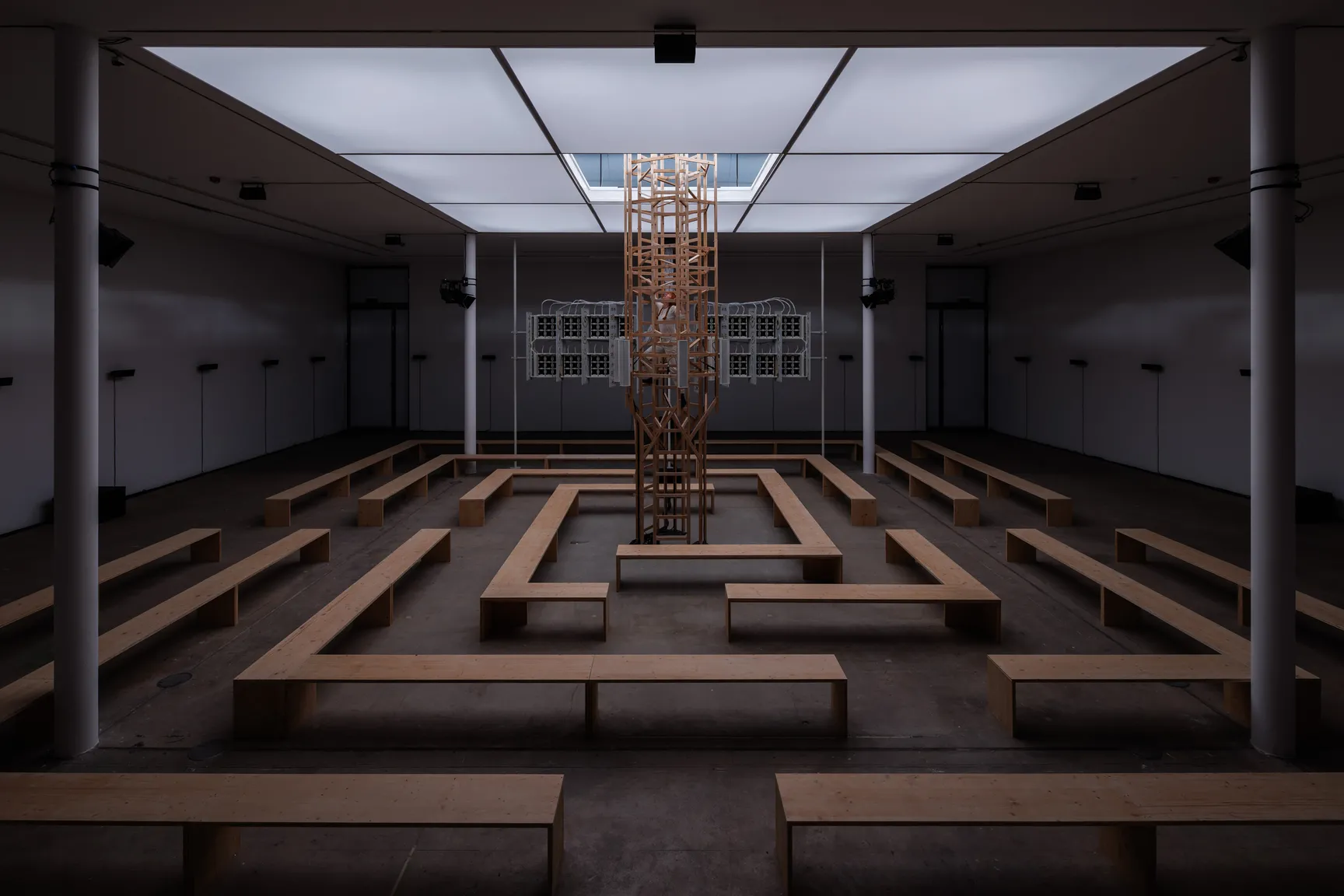
Holly Herndon and Mat Dryhurst are Berlin-based artists known for their innovative use of machine learning, artificial intelligence (AI), and decentralized systems in art and music. Their collaborative practice spans a range of media, from AI-generated performances and installations to protocol development that challenges existing power structures in the digital space. Their work frequently examines the intersection of human creativity and AI. One of their most prominent projects, Holly+ (2021), is an AI clone of Herndon's voice that can be used by the public, embodying a counter-narrative to AI extractivism and exploring ideas of "vocal sovereignty." This project has been presented at major venues including Sonar Festival and TED. The duo’s musical work includes critically acclaimed albums Platform (2015) and PROTO (2019), released through 4AD, which have been performed at prestigious venues such as the Barbican in London and Volksbühne in Berlin. Their visual art practice includes groundbreaking NFT series like Infinite Images (2021/22) and the recent exhibition at the 2024 Whitney Biennial, where they showcased xhairymutantx, an AI-driven interactive installation that challenges identity in the age of generative models. In addition to their artistic output, Herndon and Dryhurst co-founded Spawning, an organization dedicated to building ethical AI tools, and host the Interdependence podcast, which explores the intersections of AI, music, and blockchain technologies. Recognized as some of the most influential voices in AI, they were named in TIME’s 100 Most Influential Voices in AI and awarded the first Digital Human Rights Award by the Austrian government.

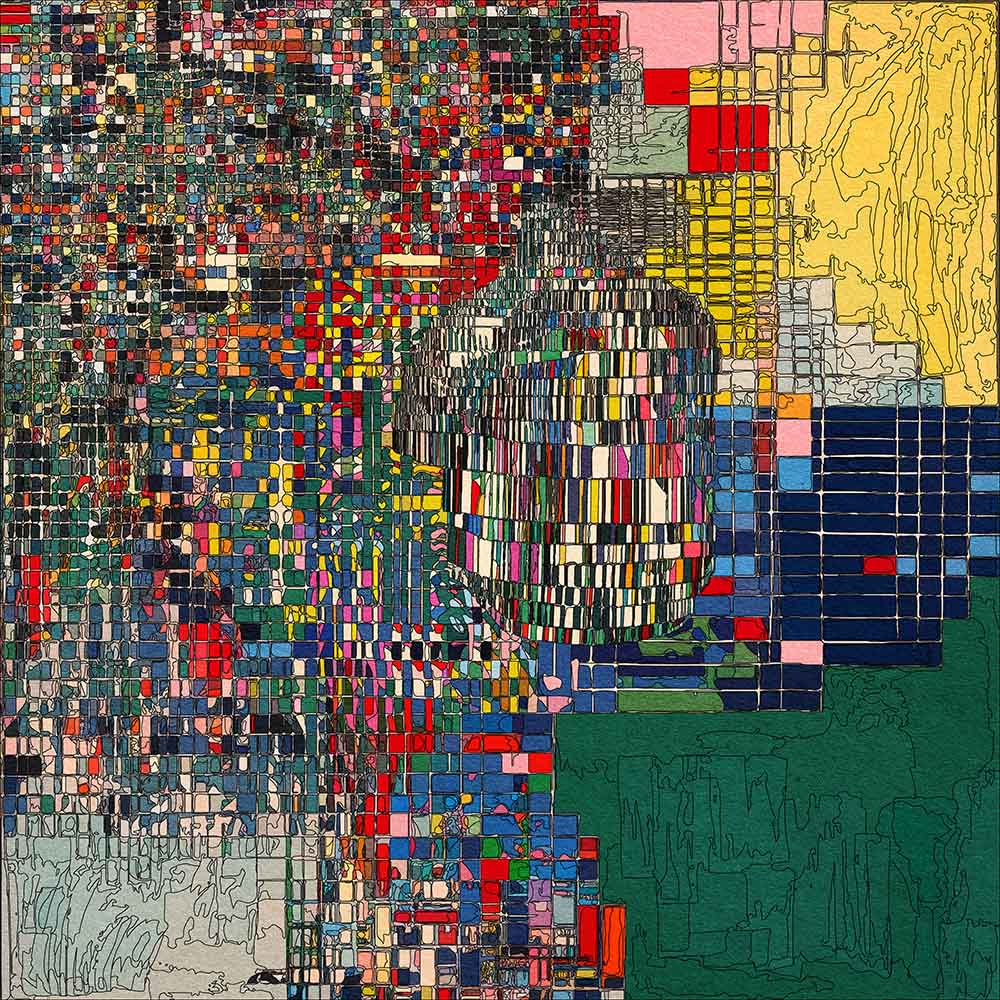
Elman Mansimov is a Senior Applied Scientist residing in New York City. He completed his Ph.D. at New York University under the guidance of Kyunghyun Cho. His doctoral thesis centered around iterative refinement as a comprehensive approach for structured prediction, with specific applications to machine translation and molecule generation. Prior to his doctoral studies, at the age of 15 he started an undergraduate degree in Computer Science at the University of Toronto, where he was supervised by Ruslan Salakhutdinov. During this period, Mansimov led a team of developers who created alignDRAW, widely credited as the first text-into-image generation model. The artwork from alignDRAW was first published in the academic paper, ‘Generating Images from Captions with Attention’, in 2015. In Feb 2024, The Worcester Art Museum announced their acquisition of 3 alignDRAW artworks.

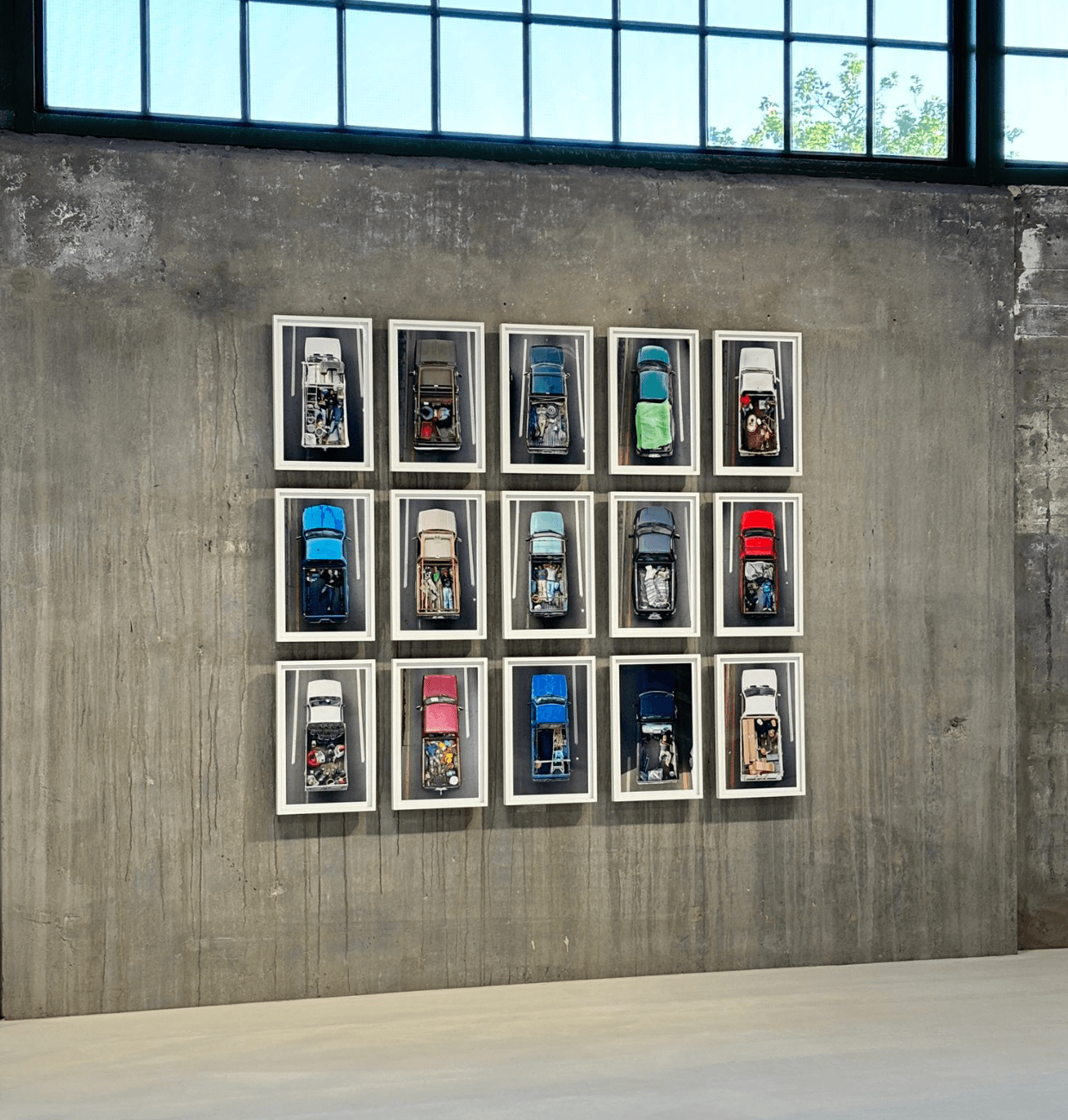
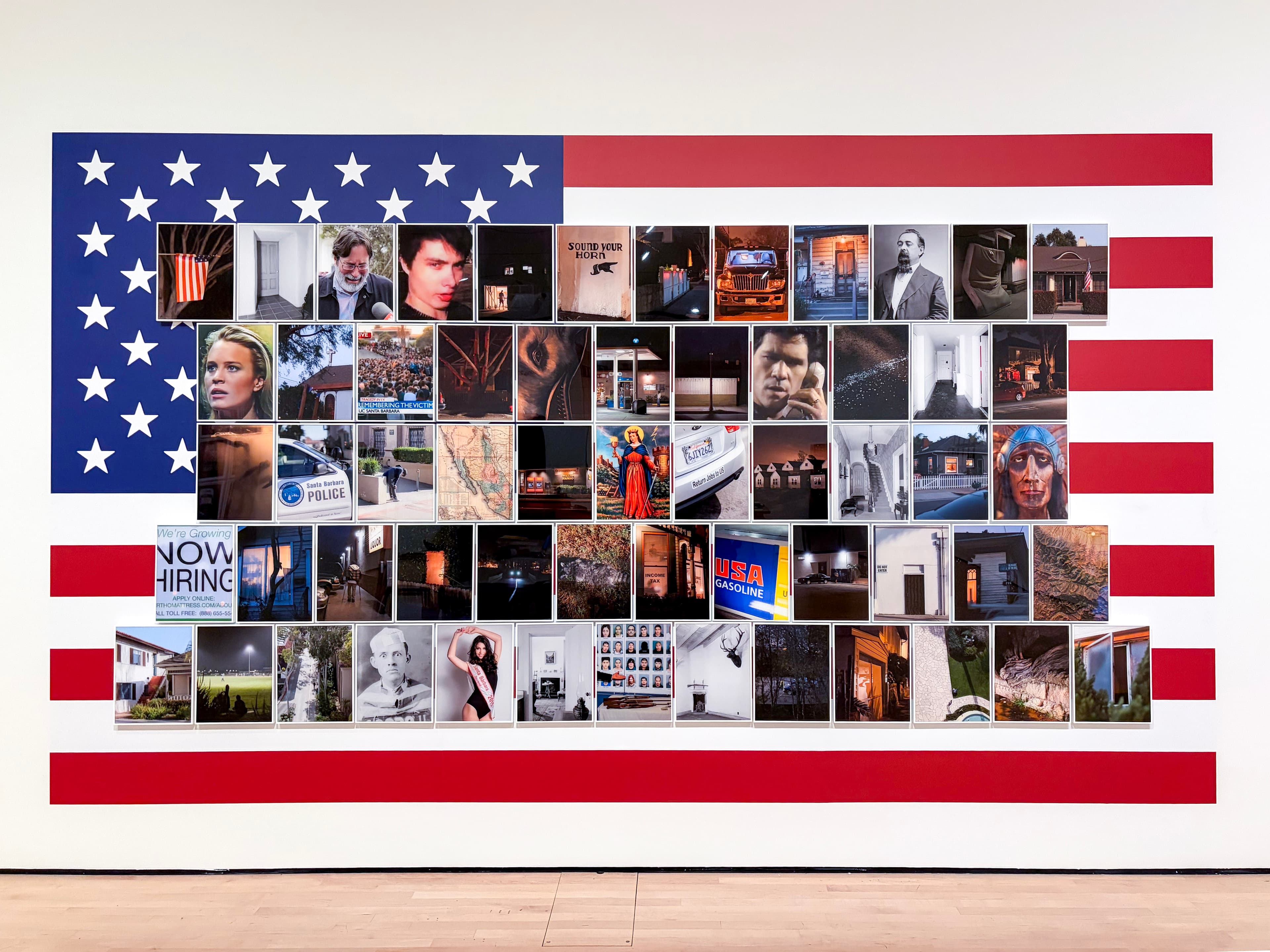
Alejandro Cartagena, Mexican (b. 1977, Santo Domingo, Dominican Republic) lives and works in Monterrey, Mexico. His projects employ landscape and portraiture as a means to examine social, urban, and environmental issues. Cartagena’s work has been exhibited internationally in more than 50 group and individual exhibitions in spaces including the Fondation Cartier pour l’art contemporain in Paris and the CCCB in Barcelona, and his work is in the collections of several museums including the San Francisco MOMA, The J. Paul Getty Museum, The Museum of Contemporary Photography in Chicago, The MFAH in Houston, the Portland Museum of Art, The West Collection, the Coppel collection, the FEMSA Collection, Museum of Fine Arts in Houston, the George Eastman House and the Santa Barbara Museum of Art and among others. Alejandro is a self publisher and co-editor and has created several award wining titles including Insurrection Nation, Studio Cartagena 2021, Santa Barbara Save US, Skinnerboox, 2020, A Small Guide to Homeownership, The Velvet Cell 2020, We Love Our Employees, Gato Negro 2019, Santa Barbara Shame on US, Skinnerboox, 2017, A Guide to Infrastructure and Corruption, The velvet Cell, 2017, Rivers of Power, Newwer, 2016, Santa Barbara return Jobs to US, Skinnerboox, 2016, Headshots, Self-published, 2015, Before the War, Self-published, 2015, Carpoolers, Self-published with support of FONCA Grant, 2014, Suburbia Mexicana, Daylight/ Photolucida 2010. Some of his books are in the Yale University Library, the Tate Britain, and the 10×10 Photobooks/MFH Houston book collections among others. Cartagena has received several awards including the international Photolucida Critical Mass Book Award, the Street Photography Award in London Photo Festival, the Lente Latino Award in Chile, the Premio IILA-FotoGrafia Award in Rome and the Salon de la Fotografia of Fototeca de Nuevo Leon in Mexico among others. He has been named an International Discoveries of the FotoFest festival, a FOAM magazine TALENT and an Emerging photographer of PDN magazine. He has also been a finalist for the Aperture Portfolio Award and has been nominated for the Santa Fe Photography Prize, the Prix Pictet Prize, the Photoespaña Descubrimientos Award and the FOAM Paul Huff Award. His work has been published internationally in magazines and newspapers such as Newsweek, Nowness, Domus, the Financial Times, The New York Times, Le Monde, Stern, PDN, The New Yorker, and Wallpaper among others.

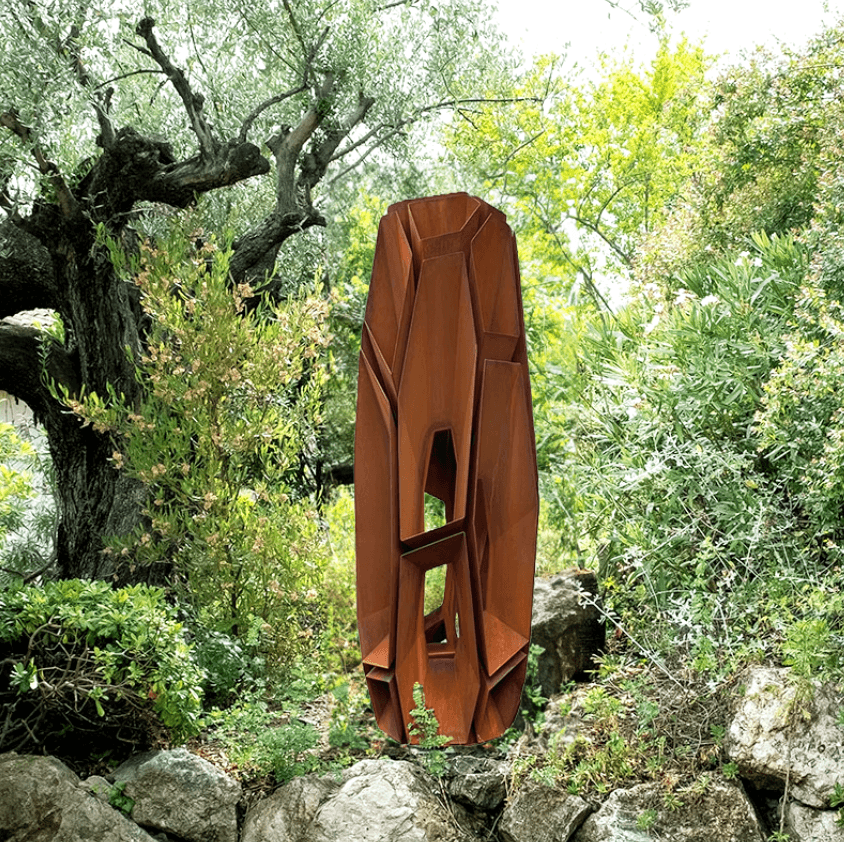
Arik Levy (b. 1963) is an artist celebrated for his multidisciplinary approach. Internationally recognized for his work and creativity. Levy bridges the worlds of contemporary art, public sculpture, and industrial design. His work often explores themes of nature versus technology, stability and fragility, rendered in minimalist yet emotive forms. Beyond sculpture, Levy’s practice spans photography, installation, and functional design objects. A Chevalier des Arts et des Lettres, Levy has installed monumental public artworks worldwide.

Trevor Paglen is known for investigating the invisible through the visible, with a wide-reaching approach that spans image making, sculpture, investigative journalism, writing, engineering, and numerous other disciplines. The clandestine and the hidden are revealed in series such as The Black Sites, The Other Night Sky, and Limit Telephotography in which the limits of vision are explored through the histories of landscape photography, abstraction, Romanticism, and technology. Paglen’s investigation into the epistemology of representation can be seen in his Symbology and Code Names series which utilize text, video, object, and image to explore questions surrounding military culture and language. Among his chief concerns are learning how to see the historical moment we live in and developing the means to imagine alternative futures. Paglen has had numerous one-person exhibitions, including at the Museum of Contemporary Art San Diego (2019); Frankfurter Kunstverein, Frankfurt (2015); Eli & Edythe Broad Art Museum, Michigan State University, East Lansing (2015); Protocinema Istanbul (2013); Van Abbemuseum, Eindhoven, Netherlands (2013); and Vienna Secession (2010). He has participated in group exhibitions at the San Francisco Museum of Modern Art (2008, 2010, 2018); Museo Nacional Centro de Arte Reina Sofía, Madrid (2014); The Metropolitan Museum of Art, New York (2012); Tate Modern, London (2010), and numerous other institutions.